Zero Trust Security: What Small Businesses Need to Know
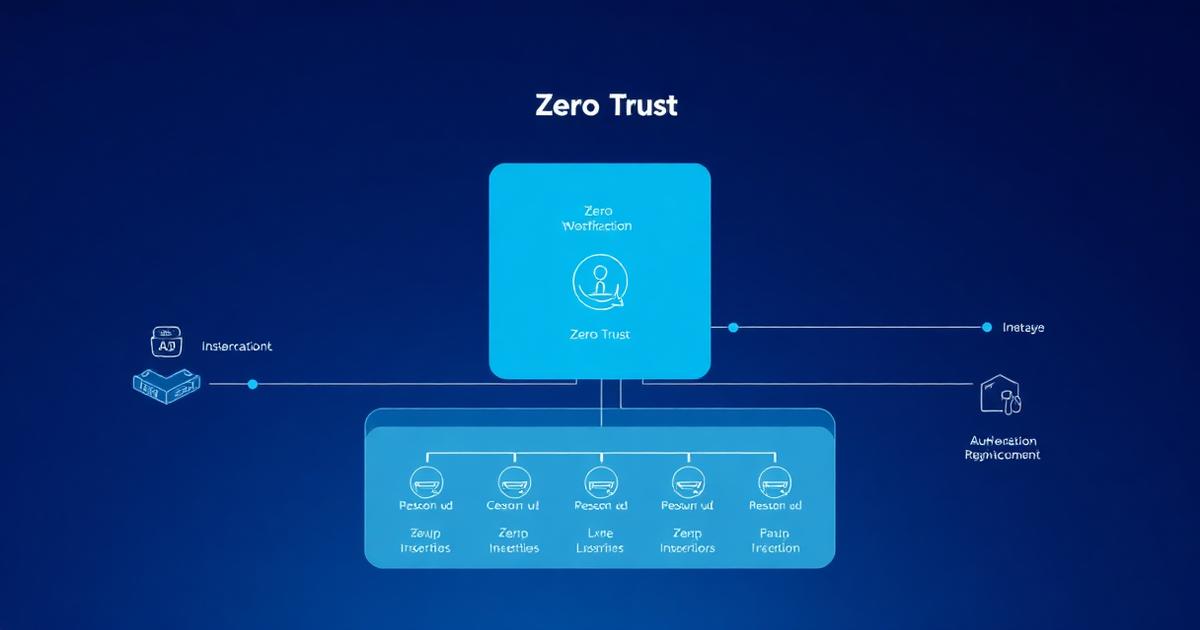
Traditional security models assume everything inside your network perimeter is trustworthy—a dangerous assumption in today's environment where breaches are inevitable and insider threats are real. Zero trust security flips this model, assuming breach and verifying explicitly at every access request. The mantra is simple: 'Never trust, always verify.' For small businesses, zero trust isn't just for enterprises anymore—cloud-based solutions have made it accessible and affordable. With remote work, BYOD policies, cloud applications, and sophisticated attacks, the traditional perimeter has dissolved. Zero trust provides a framework to secure your business in this new reality.
Core Principles of Zero Trust
Zero trust is built on three foundational principles. First, verify explicitly—use all available data points including user identity, device health, location, and behavior patterns to make access decisions. Never grant access based solely on network location. Second, use least privilege access—give users the minimum access necessary to perform their jobs, nothing more. This limits blast radius if credentials are compromised. Third, assume breach—architect systems assuming attackers are already inside your network. Segment resources, encrypt data everywhere, and monitor everything. These principles shift security from perimeter-based protection to identity-based access control. Every user, device, and application must be verified before accessing resources, and access should be continuously validated throughout sessions.
Identity and Access Management Foundation
Identity becomes the new perimeter in zero trust. Implement robust Identity and Access Management (IAM) with centralized authentication using solutions like Azure AD, Okta, or Google Identity. Deploy single sign-on (SSO) to consolidate access control and improve user experience. Require multi-factor authentication (MFA) for all users—preferably using phishing-resistant methods like FIDO2 security keys or biometrics. Implement conditional access policies that consider context: who is requesting access, from what device, from what location, to what resource, and when. For example, accessing sensitive financial data from a personal device in a foreign country should trigger additional verification. Use risk-based authentication that adapts security requirements based on calculated risk scores. Regularly review and revoke unused permissions—access creep is a common security problem.
Device Trust and Endpoint Security
In zero trust, you must trust devices before allowing them to access resources. Implement device management solutions like Microsoft Intune or Jamf to maintain device inventory and enforce security policies. Enroll all business devices in management platforms that verify devices are running updated operating systems, have active endpoint protection, and comply with security policies. Implement device health attestation that checks security posture before granting access. For BYOD scenarios, use mobile application management (MAM) to secure corporate applications without managing the entire device. Consider implementing device certificates for strong device authentication. Block access from jailbroken or rooted devices that bypass security controls. Monitor device behavior for anomalies that might indicate compromise. Device trust is continuous—not a one-time verification.
Network Segmentation and Micro-Segmentation
Zero trust requires moving beyond flat networks where any device can reach any resource. Implement network segmentation to create security zones based on function, data sensitivity, or user populations. Use VLANs, subnets, and firewalls to enforce segmentation. More advanced is micro-segmentation, which creates fine-grained security zones around individual workloads or applications. Software-defined perimeters (SDP) and Zero Trust Network Access (ZTNA) solutions create secure tunnels between users and applications without exposing applications to the broader internet. This eliminates the attack surface and prevents lateral movement. Each segment should have its own security policies, monitoring, and access controls. Breaching one segment shouldn't compromise your entire network.
Data Protection and Encryption
Data is the ultimate target, so zero trust demands protecting data itself, not just the networks containing it. Classify all data based on sensitivity: public, internal, confidential, and restricted. Apply appropriate protections to each classification level. Encrypt data at rest using full-disk encryption and database encryption. Encrypt data in transit using TLS 1.3 or better. Consider encryption in use for highly sensitive data processing. Implement Data Loss Prevention (DLP) to prevent sensitive data from leaving your control—block uploads to unauthorized cloud services, attachment of sensitive files to external emails, or copying to USB drives. Use information rights management (IRM) to maintain control over documents even after they leave your systems. Label documents with sensitivity classifications and enforce policies based on labels.
Continuous Monitoring and Analytics
Zero trust requires visibility into everything happening in your environment. Implement Security Information and Event Management (SIEM) to aggregate logs from all systems. Use User and Entity Behavior Analytics (UEBA) to establish baseline behaviors and detect anomalies. Monitor for indicators of compromise: unusual login times, access from unexpected locations, large data downloads, or lateral movement between systems. Implement real-time alerting for critical security events. Use threat intelligence feeds to stay informed about emerging threats. Conduct regular security audits and penetration testing to identify vulnerabilities. Zero trust isn't set-and-forget—it requires continuous assessment and adaptation. The goal is detecting and responding to threats in minutes, not months.
Conclusion
Zero trust represents a fundamental shift in security thinking, but small businesses can implement it incrementally. Start with identity and access management—implement SSO and MFA. Add conditional access policies. Deploy endpoint management. Segment your network. Each step improves security immediately. Modern cloud-based solutions make zero trust accessible without massive infrastructure investments. The journey to zero trust is ongoing—continuously verify, continuously improve. As your business grows and threats evolve, zero trust provides a framework that scales and adapts. The traditional perimeter is dead; zero trust is the future of cybersecurity for businesses of all sizes.
About the Author
Bleach Security Team is part of the Bleach Security team, specializing in cloud security, compliance, and helping businesses protect their digital assets.
Published on October 8, 2025
Ready to Enhance Your Cybersecurity?
Discover how Bleach Security can help protect your business with our comprehensive security solutions.
Related Articles

Data Backup and Disaster Recovery: The Complete SMB Playbook for 2026
Backups are only as good as your last successful restore. Learn how to build a modern, ransomware-resilient backup and disaster recovery strategy that keeps your small business running through any incident.
Cyber Insurance for Small Businesses: What You Need to Know in 2026
A single data breach can cost a small business hundreds of thousands. Cyber insurance is no longer optional — here's how to choose the right policy and avoid costly coverage gaps.