Building a Cybersecurity Culture in Your Small Business
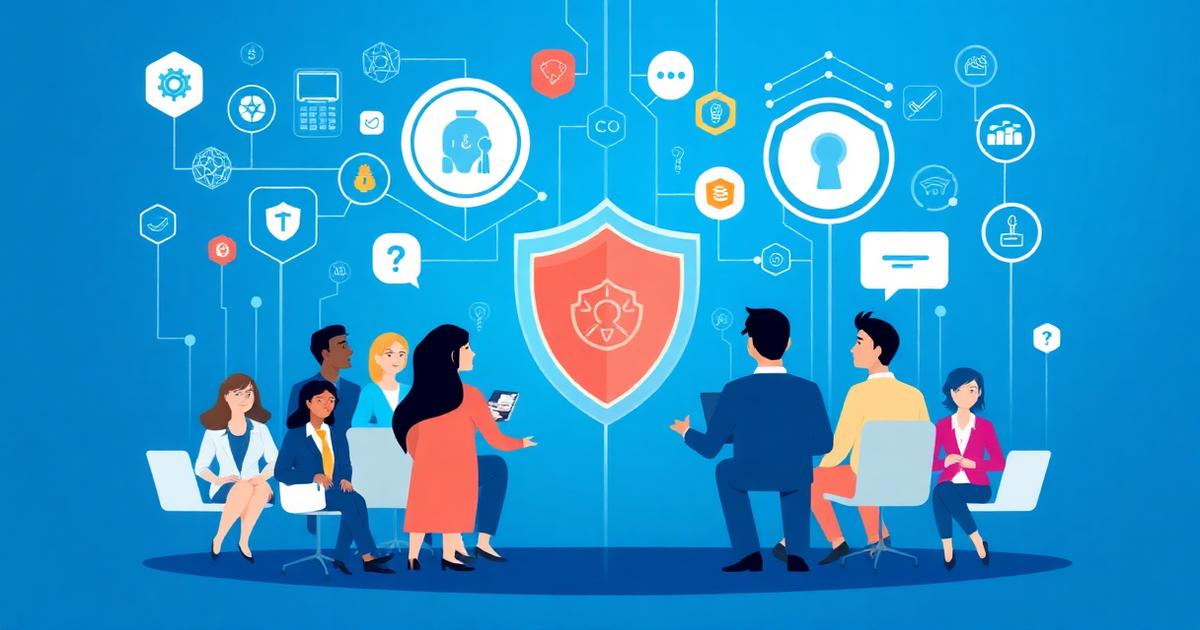
The most sophisticated security technology can't protect against human error, social engineering, or intentional policy violations. Yet many organizations invest millions in security tools while neglecting the human element. Research consistently shows that human factors contribute to 80-90% of security incidents. The good news: you can transform your workforce from security risk to security asset by building a strong cybersecurity culture. Culture means shared values, beliefs, and behaviors around security. In organizations with strong security cultures, every employee understands their role in protecting the business and actively contributes to security. This guide provides practical strategies for building cybersecurity culture in small businesses where resources are limited but risks are real.
Executive Leadership and Tone from the Top
Culture starts at the top. If executives treat security as IT's problem or an inconvenient compliance checkbox, employees will mirror this attitude. Conversely, when leadership visibly prioritizes security, employees recognize its importance. Executives should: explicitly include security in business strategy discussions, allocate adequate security budget without requiring breaches to justify investment, follow the same security policies as everyone else (no exceptions for executives), discuss security in all-hands meetings and communications, recognize and reward good security behaviors, and hold leaders accountable for security in their areas. Make security a standing agenda item in leadership meetings. Share security metrics with the board. Appoint a senior security champion if you can't afford a full-time CISO. Most importantly, leaders must model secure behaviors—using strong passwords, enabling MFA, questioning suspicious emails, and following policies. Employees watch leaders' actions more than their words.
Make Security Everyone's Job
Security can't be solely IT's responsibility—it must be embedded across all functions. Define security responsibilities in every job description: sales must protect customer information, finance must secure financial data, HR must safeguard employee records, and marketing must secure customer communications. Include security objectives in performance reviews. Create security champions in each department who receive additional training and serve as local resources. Empower employees to speak up about security concerns without fear of retribution. Establish clear escalation paths for reporting suspected incidents. Remove the stigma around security mistakes—treat them as learning opportunities rather than career-limiting events. Make security part of onboarding for new employees—first impressions matter, and early emphasis signals importance. Include security in exit procedures when employees leave. Security is everyone's job, but only if everyone understands their role and has authority to act.
Continuous Education and Awareness
Traditional annual security training is insufficient—it's forgotten within weeks. Implement continuous security awareness programs that keep security top-of-mind. Use multiple delivery methods: short monthly training sessions, email tips, posters, screen savers, lunch-and-learns, and gamification. Make training relevant to employees' actual work—generic training is ignored. For sales, focus on protecting customer data; for finance, emphasize payment fraud; for executives, cover board email compromise. Use real examples from your industry, or better yet, from your organization. Conduct simulated phishing campaigns monthly, not to punish clickers but to educate them immediately with just-in-time learning. Track metrics like phishing click rates, training completion, and reported incidents—but avoid 'name and shame' approaches that discourage reporting. Celebrate successes: recognize employees who report phishing or identify security issues. Make security training engaging, not boring compliance theater.
Simplify Security to Enable Compliance
Complex security requirements drive workarounds. If password policies require 16-character passwords with special symbols rotated monthly, users will write them on sticky notes. If VPN connections are unreliable, employees will find ways around them. Design security controls that balance protection with usability. Implement password managers so complex passwords become easy. Use SSO to reduce authentication friction. Deploy MFA with push notifications rather than code entry. Make security the path of least resistance—not an obstacle to productivity. Consult employees when implementing new controls: what works in theory may fail in practice. Pilot new controls with small groups before widespread deployment. Provide clear guidance: don't just say 'protect customer data'—specify exactly what that means. Automate security where possible: encryption that happens automatically, patching without user intervention, backups that run invisibly. Security that's easy becomes security that's followed.
Transparent Communication and Incident Response
Transparency builds trust and engagement. Communicate openly about security posture, including areas needing improvement. Share security metrics: phishing email reporting rates, training completion, patching levels. Explain why specific security controls exist—'because policy requires it' is less compelling than 'to protect customer data from ransomware.' When security incidents occur, communicate honestly about what happened, impact, response actions, and lessons learned. Use incidents as teachable moments rather than hiding them. Conduct 'near miss' reviews for security issues caught before they caused harm—reward reporting and learn from close calls. Establish clear incident reporting procedures and make reporting easy—dedicated email alias, phone hotline, or mobile app button. Acknowledge every report, even false alarms, to encourage continued reporting. Demonstrate that reported incidents are investigated and addressed. Security through obscurity creates false confidence; transparency creates authentic security culture.
Recognition, Incentives, and Accountability
Behavior that gets rewarded gets repeated. Establish recognition programs for security-conscious behaviors: reporting phishing emails, identifying vulnerabilities, suggesting security improvements, or completing training promptly. Recognition doesn't require expensive rewards—public acknowledgment in meetings, certificates, small gift cards, or extra time off work. Gamify security: create competitions between departments for highest training completion or lowest phishing click rates. Track and publish scores (by team, not individuals, to maintain positive culture). Conversely, establish clear consequences for intentional security policy violations, but distinguish between mistakes (learning opportunities) and negligence (disciplinary issues). Never punish employees for reporting mistakes—the goal is improvement, not blame. Include security in annual performance reviews and compensation decisions for managers. Measure security culture through surveys: do employees understand security importance? Do they know how to report incidents? Do they feel empowered to raise security concerns? Use results to guide culture improvement efforts.
Conclusion
Building cybersecurity culture is a journey, not a project. It requires sustained leadership commitment, continuous reinforcement, and patience—culture changes slowly. Start small: get executive buy-in, appoint security champions, improve training, and simplify controls. Measure progress through both technical metrics (incident rates, vulnerabilities) and cultural indicators (survey results, reporting rates). Celebrate improvements and learn from setbacks. Remember that culture isn't about transforming employees into security experts—it's about creating an environment where everyone understands their role, feels empowered to act, and prioritizes security in daily decisions. Organizations with strong security cultures don't eliminate security incidents, but they detect and respond to them much faster, minimizing damage. Culture is your most powerful security control, and unlike technology, it scales naturally as your business grows. Invest in your people, and they'll become your strongest defense.
About the Author
Bleach Security Team is part of the Bleach Security team, specializing in cloud security, compliance, and helping businesses protect their digital assets.
Published on October 20, 2025
Ready to Enhance Your Cybersecurity?
Discover how Bleach Security can help protect your business with our comprehensive security solutions.
Related Articles

Data Backup and Disaster Recovery: The Complete SMB Playbook for 2026
Backups are only as good as your last successful restore. Learn how to build a modern, ransomware-resilient backup and disaster recovery strategy that keeps your small business running through any incident.
Cyber Insurance for Small Businesses: What You Need to Know in 2026
A single data breach can cost a small business hundreds of thousands. Cyber insurance is no longer optional — here's how to choose the right policy and avoid costly coverage gaps.